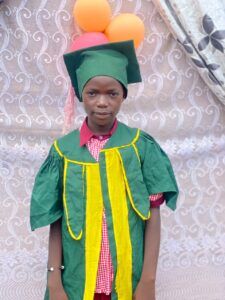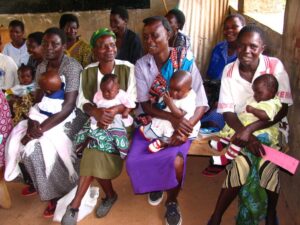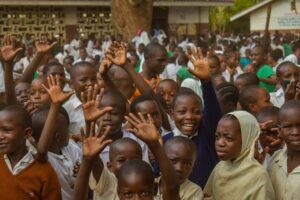
I think to myself and wonder how the Fulani woman has been able to live her life under harsh weather and stress or manage the home in such temporary environments. As I drove my kids to school, I couldn’t help but notice how malnourished and stressed out they looked, and I wondered if it was due to an inadequate medical support system or something else. I couldn’t help but imagine the level of hardship they may be coping with—mothers with their kids under the harsh weather scouting for survival. The thought kept pricking my heart.
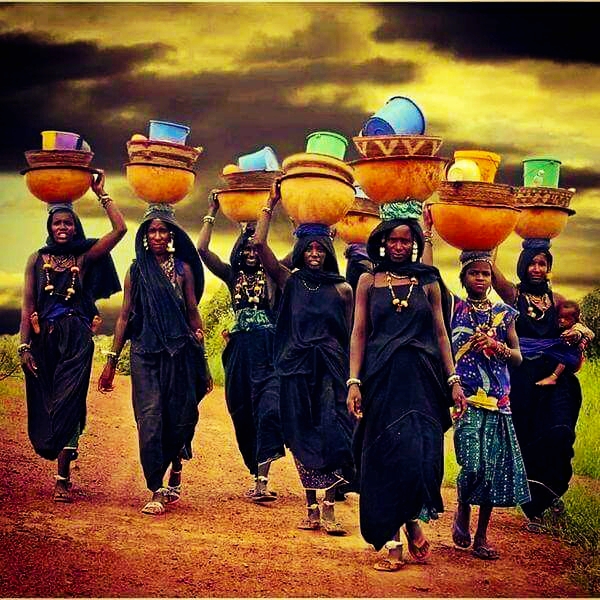
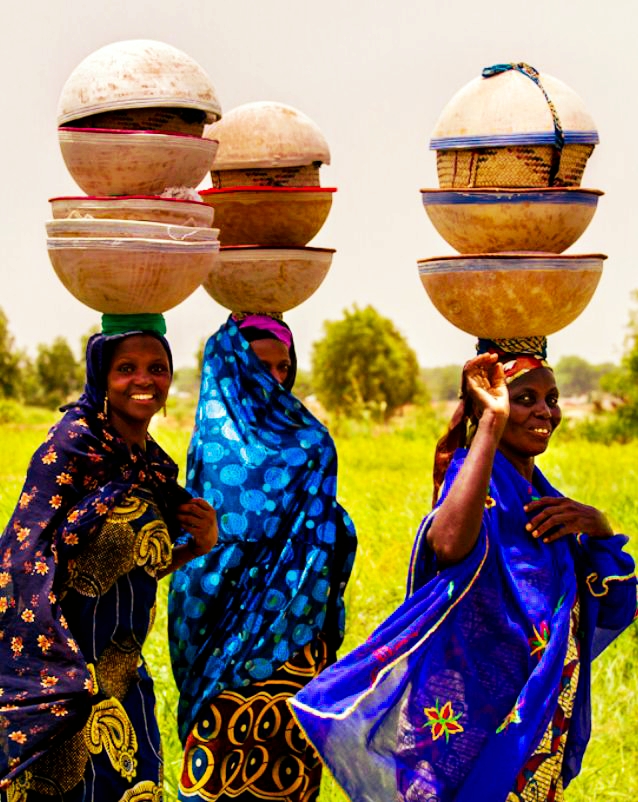
The Fulani (Fulɓe) in Nigeria, numbering over 20 million, are a major ethnic group primarily concentrated in the northern regions, known for their pastoralist lifestyles. The Fulani live in temporary camps called Rugga or in government-designated Grazing Reserves. These places provide water and protected land for their cattle. They are key figures in Nigeria’s agriculture through cattle herding and adhere strongly to a cultural code of honor called Pulaaku. The Fulani language, known as Fulfulde or Fula, is part of the Niger-Congo language family. They play a significant role in the economic landscape of West Africa, with their herds being a primary source of dairy products and meat, living in local villages with their traditional ways.
While the men graze, the women, though uneducated, are not lazy or idle. They are primarily responsible for milking the cows, processing dairy products like Nono (sour milk), Manshnu (local butter), and Fura (millet balls). They also go to farms, bathe, care for children, and manage the household. It is disheartening, with the current dislike and fear directed at Fulanis in general, that they are all labeled bandits, putting the fate of innocent people who are simply living their lives at risk of fear and uncertainty. This has led to much migration from one place to another for safety, with women and children bearing the brunt.
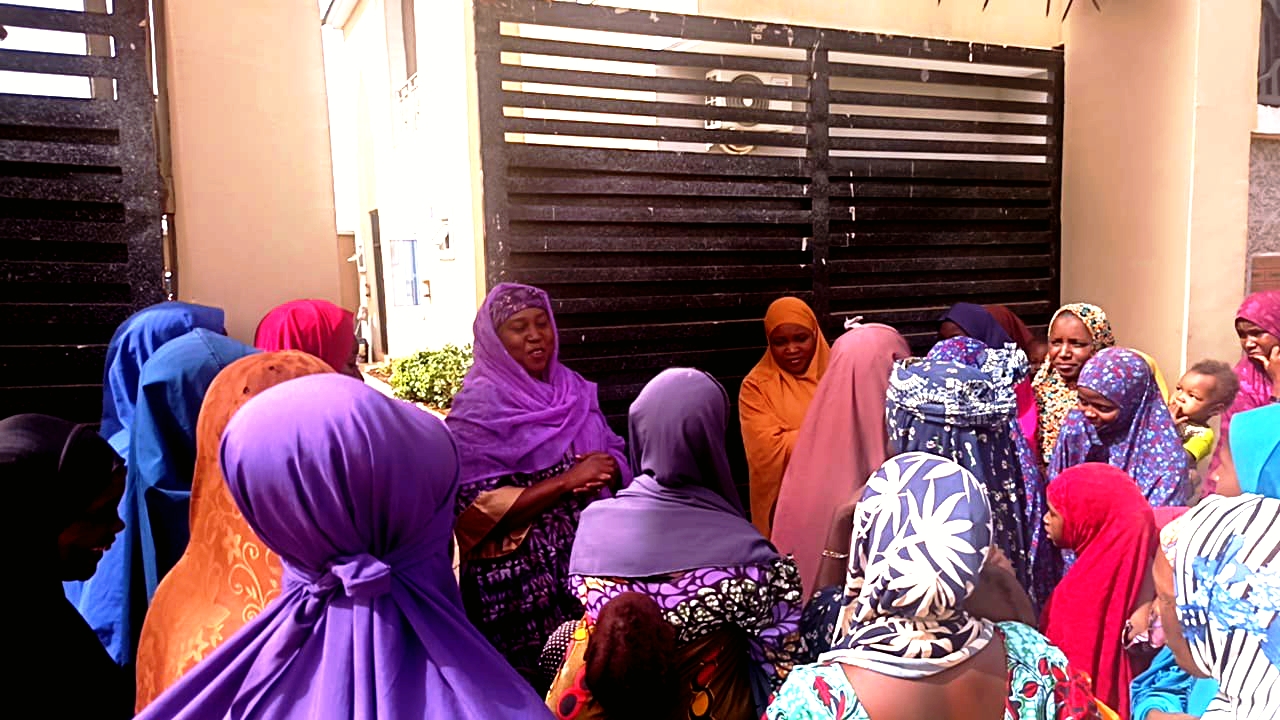
My team and I conducted an outreach in the community of Arkilla, Sokoto State, where Fulani and Hausa women of different age groups and young girls gathered. I spoke to them about the power of women as mothers. We had an interactive session where the women introduced themselves and my team as well. I commended every woman and mother, appreciating their efforts and contributions to their families and the community at large, showing them that their efforts are seen, valued, and appreciated.
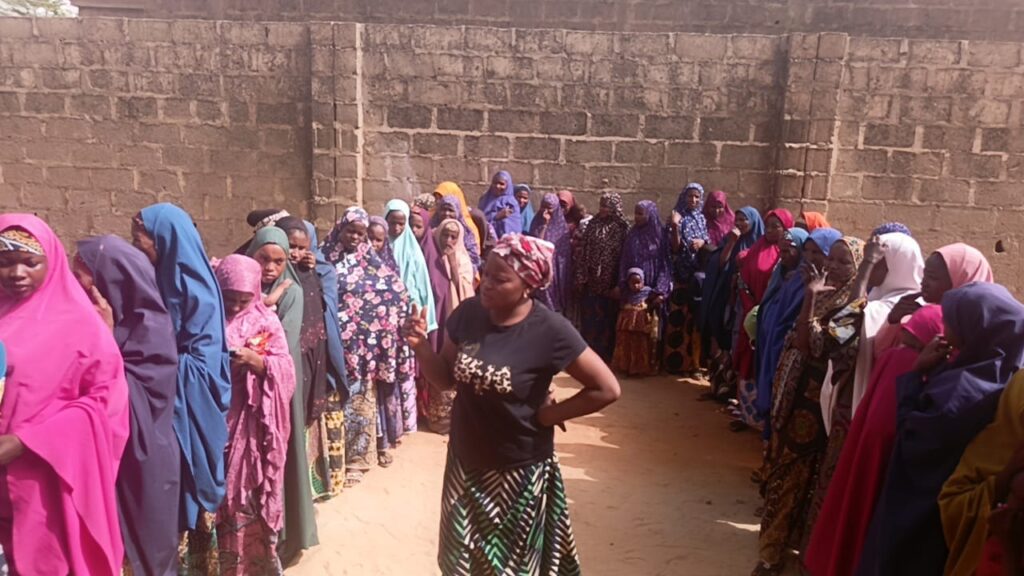
My team helped organize and ensure they were attentive and well-arranged. I laid a foundation about who God is and who a woman is. God is the creator of us all and values creating us as women. As mothers, we don’t get to choose the gender of the child given to us by Him. When He gives us either a male or a female, we are to see that each child grows up to fear God, do right, and live well.
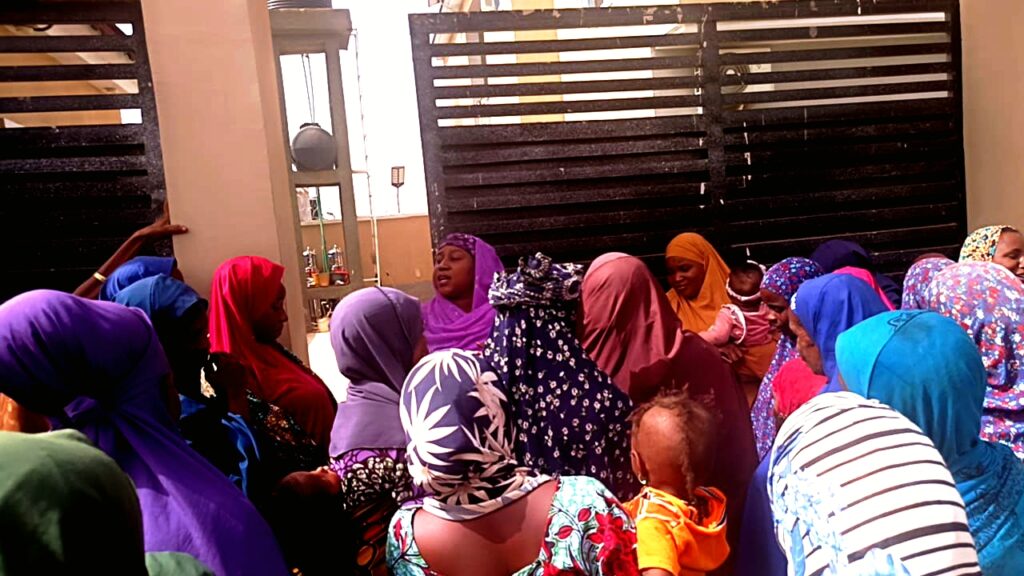
A deep emphasis was placed on the power of a mother. When a child is difficult or deviant, it’s easy for a mother to use harsh words out of emotion. Unfortunately, those words can make it more difficult for the child. The women were made to understand that, as mothers, their words can either build or destroy their children, and they are urged to choose their words carefully and intentionally. After addressing them, each woman received a token as a symbol of our appreciation and support.
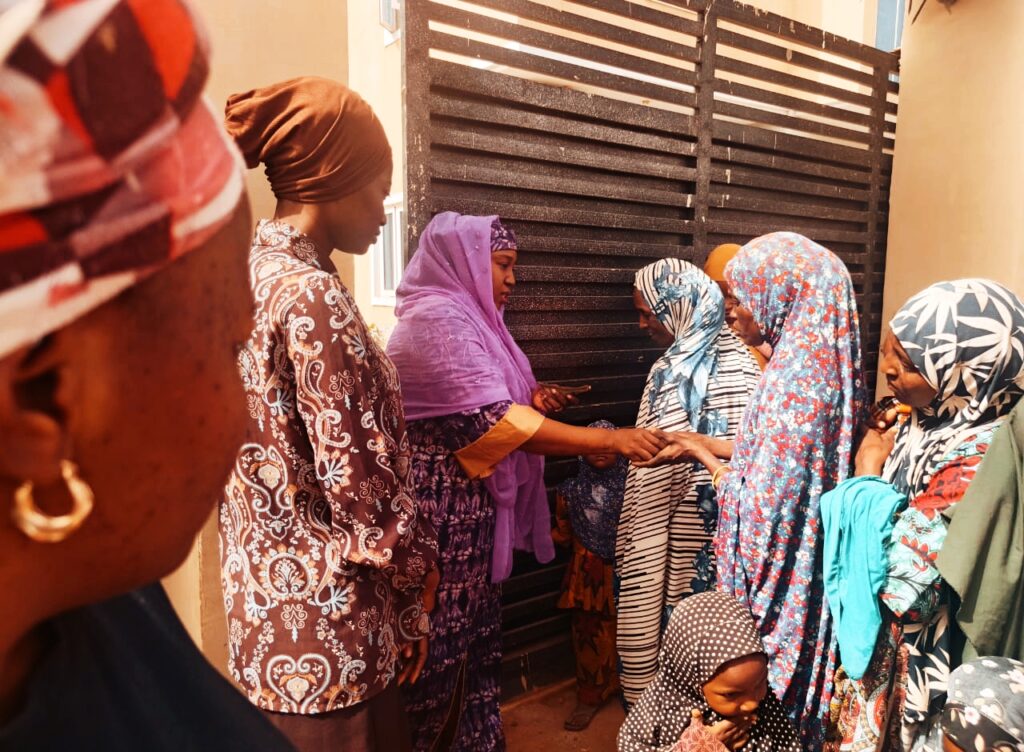
I noticed that, despite the important message shared with them, most focused on the gift I mentioned earlier—thanks in part to the daily struggles many women face in Northern Nigeria. I see the need for more outreaches like this to help women see themselves differently, recognize the power of their words, and develop a better understanding of their roles as mothers within their families and communities.
How do you think you can help reach these women most effectively? You can contribute towards our next outreach.
with just a weekly donation of as low as 2$(138.72 naira only) sent here:
ACCOUNT NAME: HASKEN RAYUWA AFRIKA MINISTRY (Humanitarian account)
ACCOUNT NUMBER:1016475161
BANK NAME: ZENITH BANK PLC
USD ACCOUNT NUMBER:5070985611
ACCOUNT NAME: HASKEN RAYUWA AFRIKA MINISTRY
BANK NAME:ZENITH BANK PLC